Austin Family-Owned Business
Expert Attic Insulation in Austin, TX
Improve home comfort with an attic inspection, clear R-value recommendations, and an insulation plan based on the actual condition of your home.
- 15+ years serving Austin
- NADCA Certified Member, ID - 1232137

Attic Insulation Installation and Replacement in Austin
Supreme Air Care provides attic insulation services in Austin, TX, including inspection, insulation addition, replacement, and removal when required. We check the depth and condition of the existing insulation, look for gaps and air leaks, review access and ventilation, and explain the recommended scope before work begins.
Attic insulation slows heat flow between the attic and the rooms below. In Austin, the roof and attic can become extremely hot during much of the year. Thin, uneven, compressed, wet, or missing insulation can make it harder to keep the home comfortable.
The right solution is not always to blow more material over the top. Moisture, contamination, damaged ductwork, unsafe wiring, blocked ventilation, and air leaks should be identified before new insulation is installed.
Signs Your Attic Insulation May Need Attention
Schedule an attic insulation inspection if:
- Upstairs rooms are much hotter or colder than downstairs.
- The air conditioner runs for long periods.
- Energy use increased without a clear reason.
- Existing insulation is below the tops of the ceiling joists.
- Insulation is thin, uneven, compressed, or missing in areas.
- Recessed lights, attic hatches, or ceiling penetrations have open gaps.
- Insulation is wet, stained, contaminated, or disturbed by animals.
- You do not know the attic’s insulation level or service history.
These signs do not prove that insulation is the only problem. HVAC performance, duct leakage, windows, air sealing, and shade also affect comfort. An attic inspection helps separate the issues.
What We Check During an Attic Inspection
Existing Insulation Type, Depth, and Coverage
We identify the visible insulation type and measure depth in multiple areas. Uneven coverage can leave weak spots even when the average depth looks acceptable
R-Value Goal
R-value measures resistance to heat flow. A higher R-value generally provides more insulating resistance. The correct target depends on the home, existing insulation, local requirements, and the approved project scope.
Air Leaks and Ceiling Penetrations
Open gaps around wiring, plumbing, light fixtures, chases, and attic access points can allow conditioned air to escape into the attic. Air sealing is often considered before insulation is added, where appropriate and safe.
Moisture and Contamination
Wet or contaminated insulation should not simply be covered. We look for stains, roof leaks, condensation, animal activity, and other conditions that may need correction first.
Attic Ventilation and Safety Clearances
Soffit vents, exhaust ducts, flues, recessed fixtures, and other components need proper clearance and should not be blocked by insulation. We document visible concerns before installation.
Ductwork and HVAC Conditions
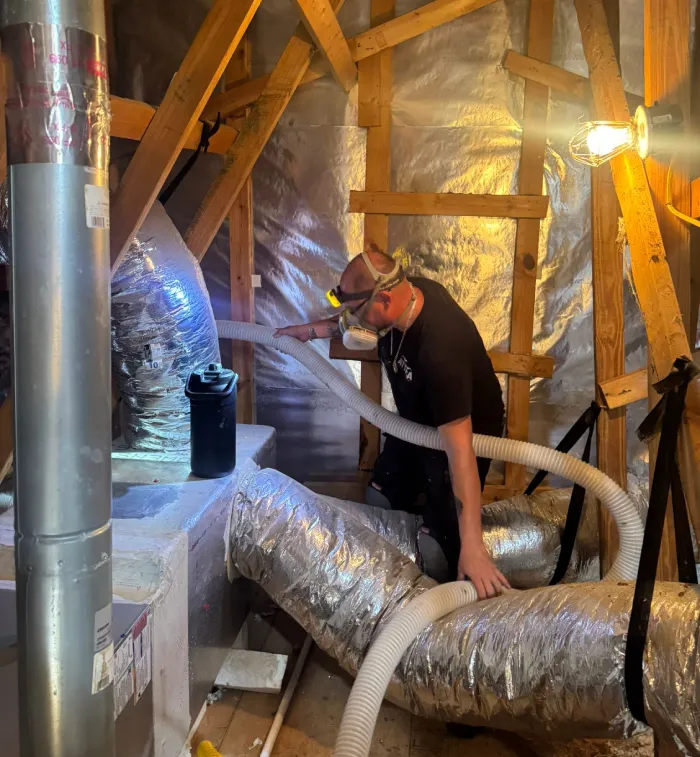
Many Austin homes have air ducts and HVAC equipment in the attic. We check for visible disconnected ducts, damaged insulation, or airflow concerns that could continue to waste energy after the attic floor is improved.
Our Attic Insulation Process
1. Inspect and Measure the Attic
We evaluate access, attic size, insulation depth, coverage, visible air leaks, ventilation, ductwork, and any condition that could affect the work.
2. Document the Existing Condition
We use photos and measurements to show thin areas, gaps, damaged material, contamination, or access concerns. This gives you a clear picture of the attic before decisions are made.
3. Recommend Addition, Replacement, or Removal
Some attics only need more insulation added to clean, dry material. Others need partial or full removal because the existing insulation is wet, contaminated, heavily disturbed, or blocking necessary work.
4. Explain Material, R-Value, and Scope
Depending on the attic and approved plan, insulation may be installed as blown-in material, rolls, or batts. We explain the selected material, target coverage, preparation, and areas included in the quote.
5. Prepare and Complete the Approved Work
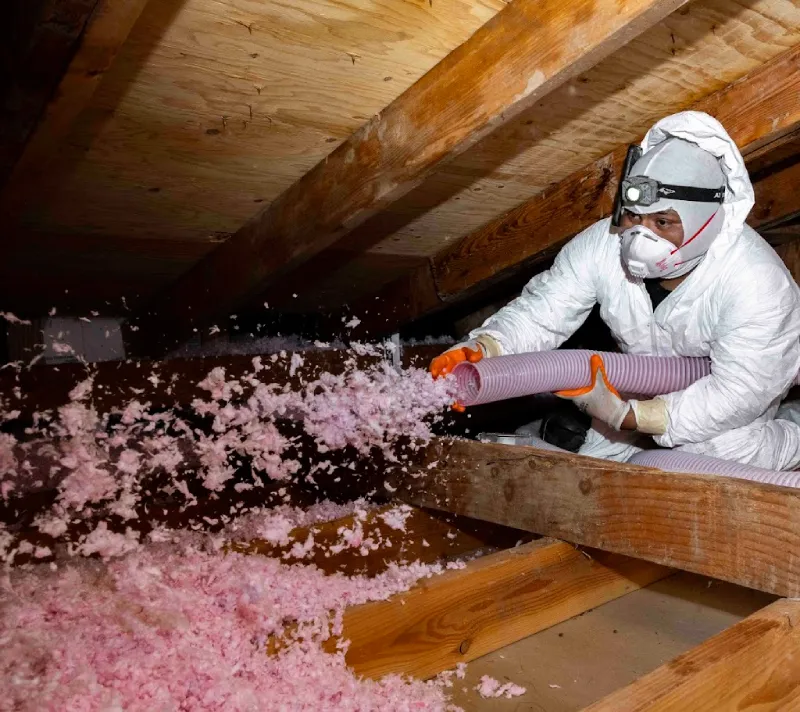
We protect the home, preserve required clearances, avoid blocking attic ventilation, and install the approved insulation evenly across the work area. If removal is included, the old material is collected and taken out before the new installation.
6. Complete a Final Depth and Coverage Check
We review coverage, document the completed work, and explain any remaining issue that falls outside the insulation scope.
How Much Attic Insulation Does an Austin Home Need?
The answer depends on the home and the program or standard being followed. ENERGY STAR recommends different attic R-values based on climate zone and the amount of insulation already present. Austin Energy’s residential Home Energy Savings program currently references attic insulation to R-38 for its participating-home incentive calculation.
An R-value target is not the same as a fixed number of inches for every material. Fiberglass, cellulose, and batt products have different R-values per inch, and settled or compressed insulation may perform differently from properly installed material.
Supreme Air Care measures the existing condition and explains the target used in your quote. Homeowners interested in a rebate should confirm current eligibility and participating-contractor requirements with Austin Energy before authorizing work because programs can change.
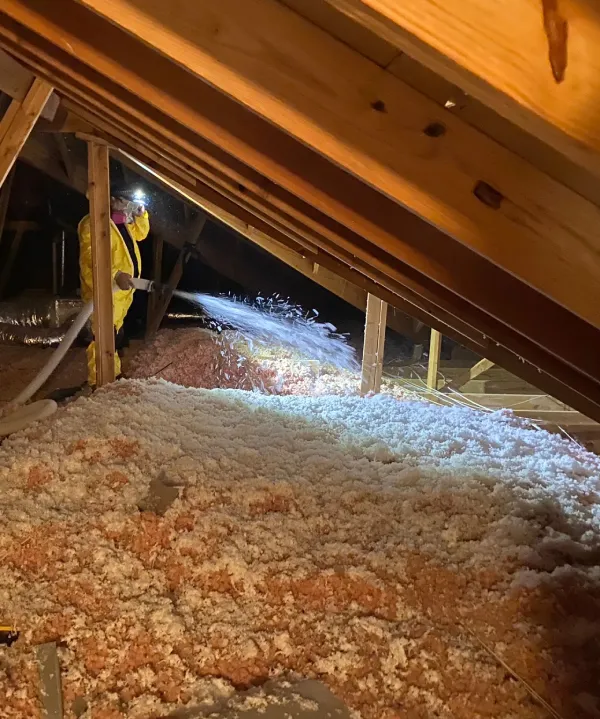
Attic Insulation Removal in Austin
Removal may be recommended when insulation is:
- Wet from a roof, plumbing, or HVAC leak
- Contaminated by rodents, birds, or other pests
- Affected by fire, smoke, or heavy debris
- Mixed with construction waste
- Blocking access for repairs or air sealing
- Severely compacted or uneven
Insulation removal can expose hidden conditions. If we discover unsafe wiring, damaged ceilings, active leaks, or another issue outside the approved scope, we stop and explain the next step.
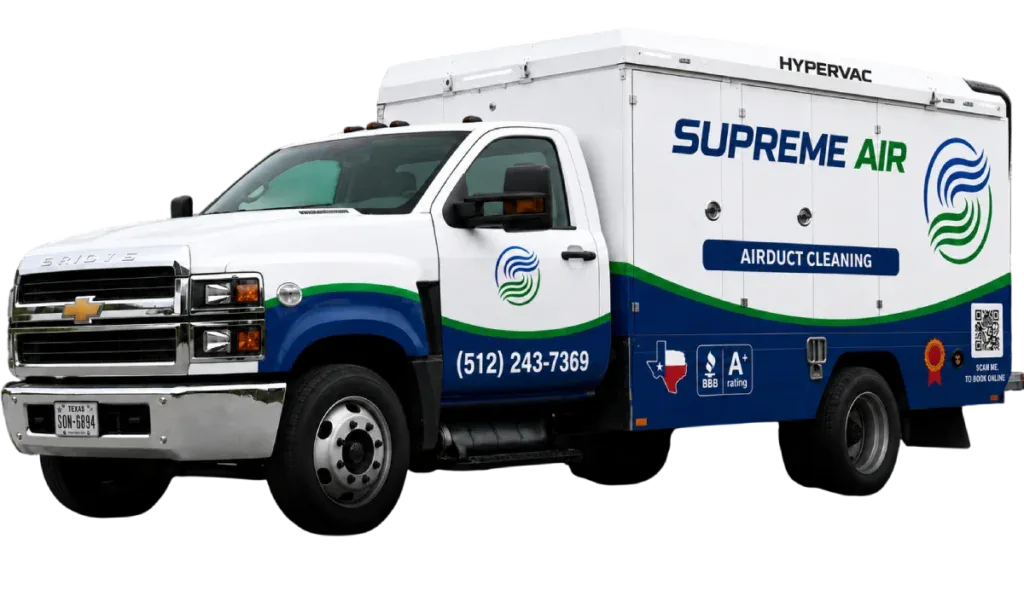
Attic Insulation for Austin Comfort
Insulation works together with air sealing, attic ventilation, HVAC performance, and duct condition. Adding insulation can improve the thermal boundary, but it cannot correct an active roof leak, undersized air conditioner, damaged duct system, or blocked soffit vent.
Because Supreme Air Care also inspects HVAC systems and ductwork, we can help you see how the attic and air-distribution system affect one another. Our recommendations focus on the complete condition of the home rather than one quick product.
We serve Austin and nearby communities, including Round Rock, Cedar Park, Leander, Georgetown, Pflugerville, Lakeway, Buda, and Kyle. Contact us to confirm service at your address.
Why Choose Supreme Air Care?
Supreme Air Care is a local, family-owned company that has served Austin for more than 15 years. After working in more than 60,000 homes, we understand how attic heat, ductwork, filtration, moisture, and insulation can affect comfort together.
We inspect before we recommend. You receive photos, measurements, a defined scope, and an upfront quote before installation or removal begins.
- Attic inspection and insulation measurement
- Clear R-value and material explanation
- Insulation addition, replacement, and removal options
- Attention to ventilation and safety clearances
- HVAC and ductwork awareness
- Photos and documentation
- No work without approval
Neighborhoods and Business Districts We Serve
We cover the entire Austin metro area and surrounding business corridors. Our commercial crews are stationed across Central Texas to minimize response times and accommodate urgent scheduling.
ABIA airport area
Anderson Lane
Arboretum area
Bee Cave
Braker Lane
Buda
Burnet Road commercial strips
Cedar Park commercial centers
Circle C Ranch
Downtown Austin
East Austin commercial corridors
East Cesar Chavez
Great Hills office parks
Jollyville
Jonestown
Kyle
Lago Vista
Lakeline Mall area
Leander business parks
Metric Boulevard
Montopolis
MoPac/290 commercial areas
MoPac/Loop 1 corridor
Mueller Development
Oak Hill
Pflugerville business parks
Riverside Drive corridor
Round Rock
San Marcos
Slaughter Lane
South Congress retail
Southpark Meadows
Stassney Lane
Sunset Valley
Texas State University area
The Domain
Warehouse District
Attic Insulation FAQs
Have questions? Our FAQ section has you covered with quick answers to the most common inquiries.
1. What does R-value mean?
R-value measures how well insulation resists heat flow. Higher numbers provide greater resistance, but performance also depends on even coverage, correct installation, moisture control, and avoiding compression.
2. Should old insulation always be removed?
No. Clean, dry, and properly installed insulation may be left in place and supplemented. Removal may be appropriate when material is wet, contaminated, damaged, heavily disturbed, or blocking necessary repairs.
3. Is blown-in insulation better than batt insulation?
Each material has appropriate uses. Blown-in insulation can cover irregular attic floors and small gaps, while batts can work well in open, consistently spaced areas when fitted correctly. We recommend a method based on the attic rather than claiming one product is best for every home.
4. Can attic insulation lower energy bills?
Proper insulation and air sealing can reduce unwanted heat flow and energy waste. Actual savings vary with the home, HVAC system, duct leakage, thermostat settings, occupancy, and weather, so we do not promise a fixed percentage.
5. Can you add insulation over existing insulation?
Often yes, if the existing material is dry, clean, and compatible with the new scope. We inspect for leaks, contamination, compression, and blocked ventilation before recommending an overlay.
6. Do Austin Energy rebates apply?
Austin Energy offers home-efficiency programs with specific eligibility, inspection, and contractor requirements. Programs and amounts can change. Check current rules with Austin Energy before starting a project intended to receive an incentive.